The Art and Status of Regency Knife Urns

Usually, when I think about the fashions of the Regency era, I focus on the grand markers of wealth—the sprawling country estates, the fine horse-drawn carriages, and the absolute army of household servants. But sometimes, the ultimate display of high status and impeccable taste sat quietly right on the dining room sideboard.

I’m talking about the knife urn.

For the upper classes of Georgian and Regency society, storing your silverware wasn’t just a matter of utility; it was a matter of fashion. In many households the common form of cutlery storage was a mahogany box with a sloping top and a “serpentine” front. But wealthier households opted for neoclassical, urn-shaped cases. They were usually made in pairs to stand like stately sentinels on each end of a dining-room sideboard.
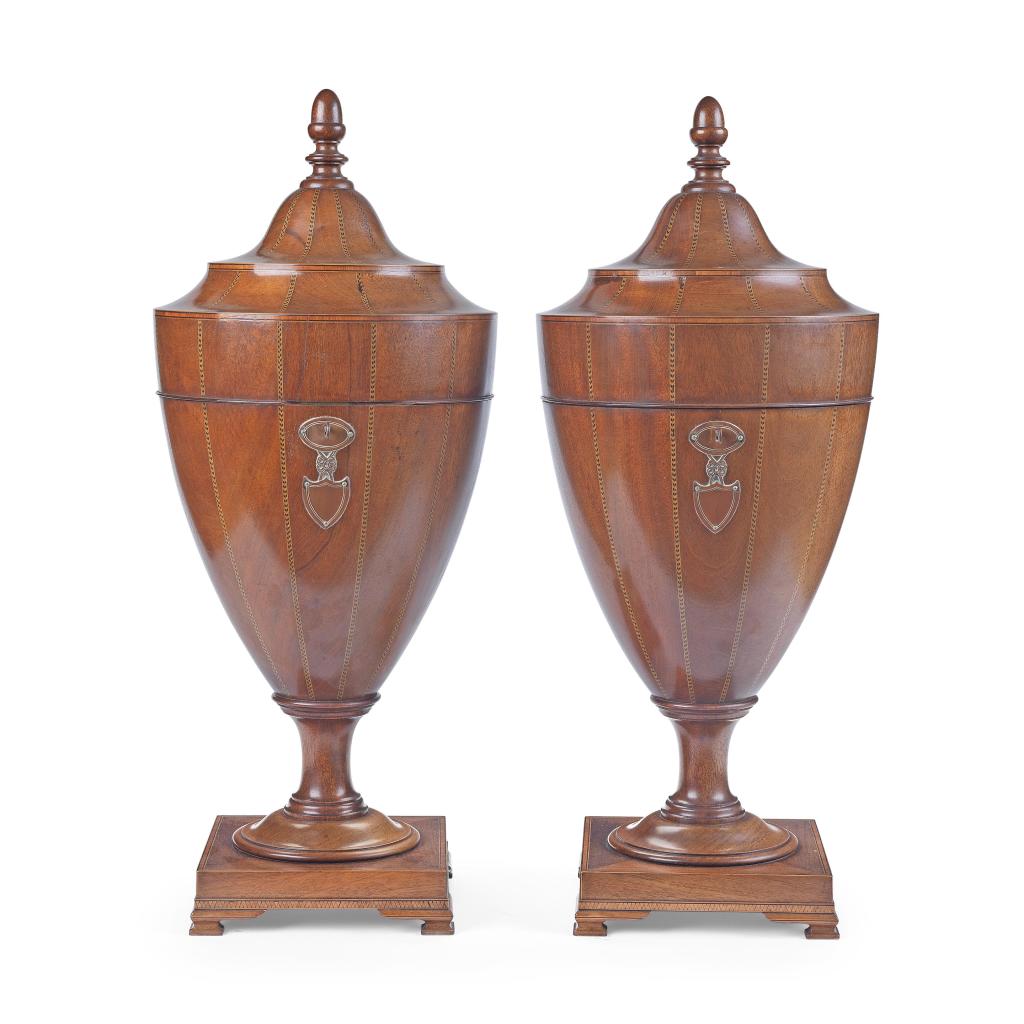

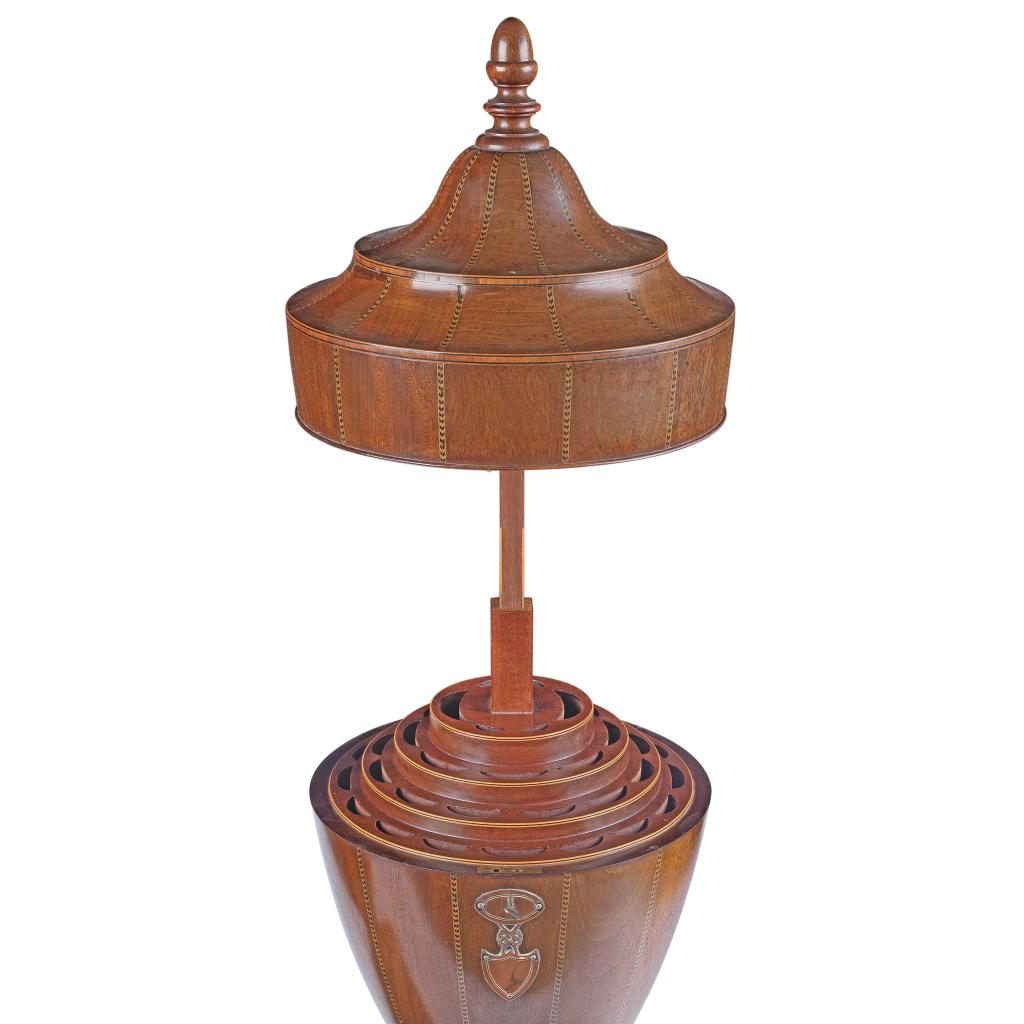
Famous period designers like Thomas Hepplewhite noted their “universal utility,” while Thomas Sheraton noted that making these exquisite cases had become such a highly specialized craft that individual London makers could build entire businesses solely around producing them. Crafted from the finest mahogany with intricate satinwood and ebony inlays, these urns featured lift-up lids that rose on a central support to reveal beautifully fitted interiors designed to showcase individual knives, forks, and spoons.

If you’ve never seen a knife urn in action, you only have to look at our favorite period dramas!

In the 1980 BBC adaptation of Pride and Prejudice, you can see a costly, elegant knife urn standing tall just inside the door of the Bennet family’s dining room at Longbourn.
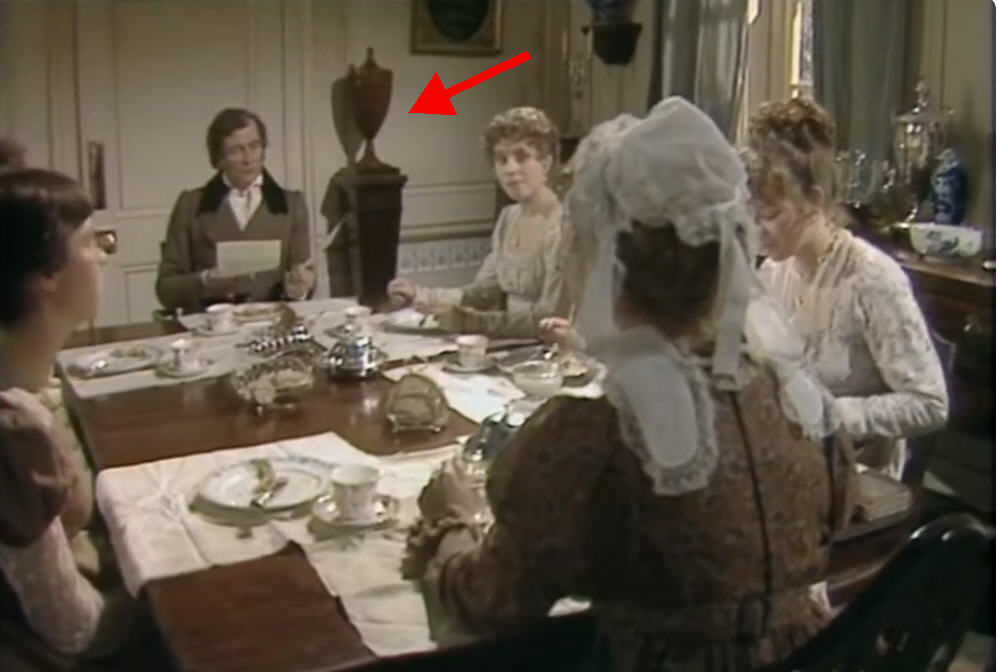

I think this small decorative detail is absolutely appropriate. The Bennets were a family of acceptable gentlemanly wealth—they kept a cook, multiple house servants, and a carriage—so having a fashionable neoclassical urn perfectly matches their social status.

Fast forward to the iconic 1995 BBC version of P&P, and the set designers chose a slightly different, yet equally accurate option for Longbourn. On the Bennet sideboard, we can see the classic serpentine-style cutlery box, bursting with silver.
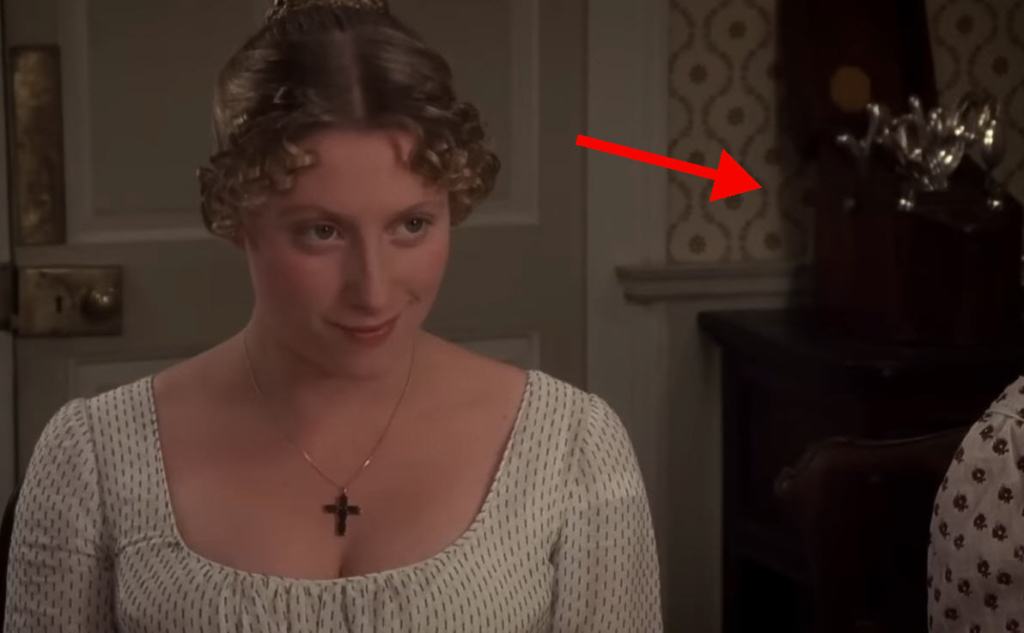

And what about the truly affluent, fashion-forward characters we love? Naturally, the ultra-fashionable Bingley dining room at Netherfield had to have the best of the best. If you look closely at the background behind Mrs. Hurst, you can see a magnificent knife urn reigning over the Netherfield dining room.
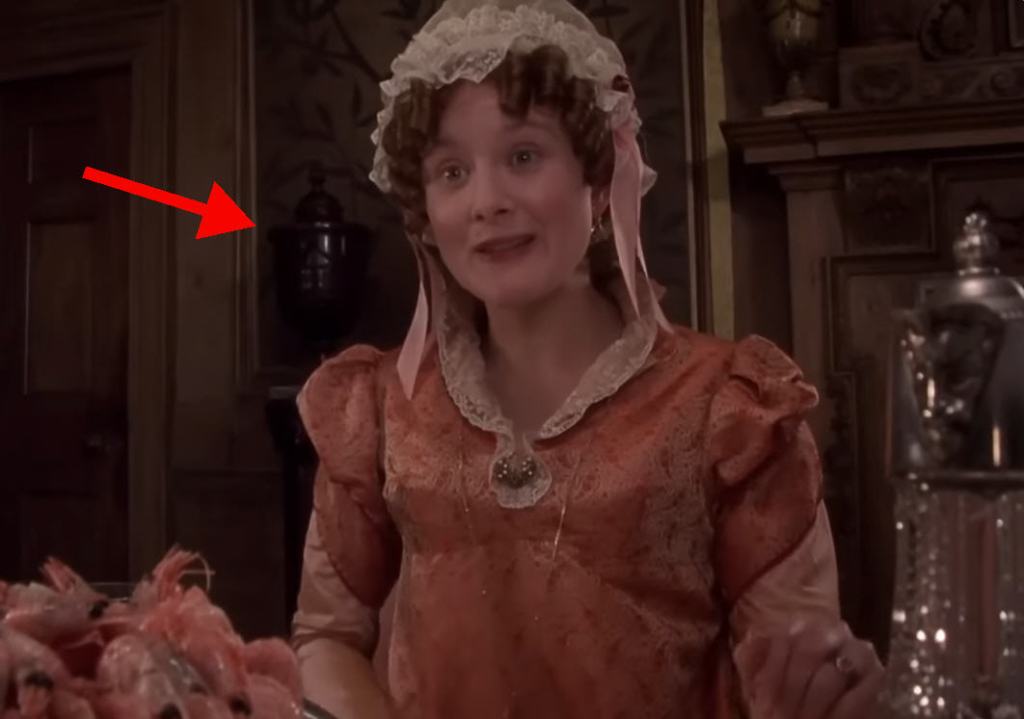

It is a wonderful detail that subtly shows the Bingley sister’s desire to look modern and wealthy.

Sadly, very few of these genuine knife urns  survive with their original interiors intact today. During the Victorian era, many families ripped out the cutlery slots to convert them into stationery boxes and desk tidies. But when we find them preserved—or spot them gracing the backgrounds of our favorite Jane Austen adaptations—they serve as a beautiful reminder of how the Regency era turned even the most mundane household objects into an art form.

As a writer, it’s these tiny, everyday historical textures that make world-building so much fun. The next time you read about a lavish dinner party in one of my books, there’s a very good chance I wrote the scene while imagining a pair of beautiful mahogany urns gleaming in the candlelight.

I’D LOVE TO HEAR FROM YOU. Are you the type of viewer who pauses period dramas to inspect the furniture in the background, or do you get completely swept up in the action and dialogue? What are your favorite decorative details from Regency households?

Staying Warm with British Films

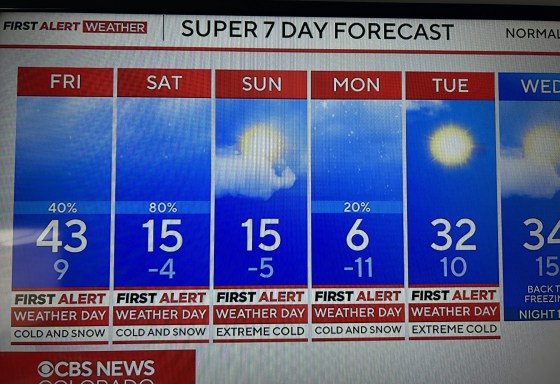
I live in Colorado so I’ve seen my share of cold winter temperatures; but the forecast for this weekend calls for bitterly cold days and nights. Here’s the five-day prediction as of this morning:

Photo of television screen showing weather forecast for five days. Saturday and Sunday has highs of 15 degrees. Monday has a high of 6 degrees.

And those temperatures don’t include the wind chill that will make the air feel anywhere from -20 to -30 below zero. Yikes!

I think I’ll take Jane Austen’s advice and “stay at home for real comfort.” My plan is to watch a few of my favorite British movies while I cuddle on the couch with my dog Keats. I have a good variety of films to choose from, but I narrowed my list down to six cozy, feel-good, warm-your-heart movies. In no particular order they are:

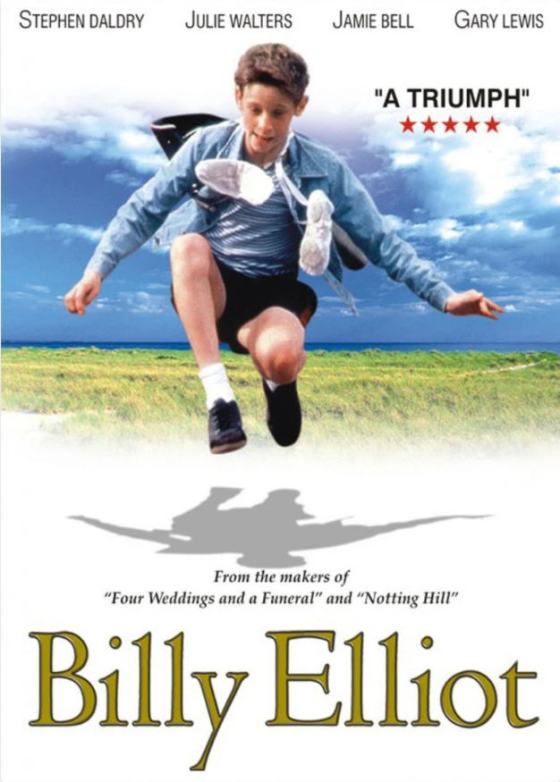
Billy Elliot

This uplifting drama follows young Billy as he pursues his passion for ballet against the stifling alpha-male mentality of his coal-mining hometown in northern England (“Boxing, not ballet!”). Julie Walters is wonderful as the cigarette-smoking dance teacher who recognizes Billy’s potential; and Gary Lewis is marvelous as Billy’s father. It’s one of my favorite movies about taking chances and following your dreams.

Movie poster for the film "Billy Elliot" shows a boy doing a jumping dance move in his dancing shoes with his tennis shoes tied by the laces around his neck.

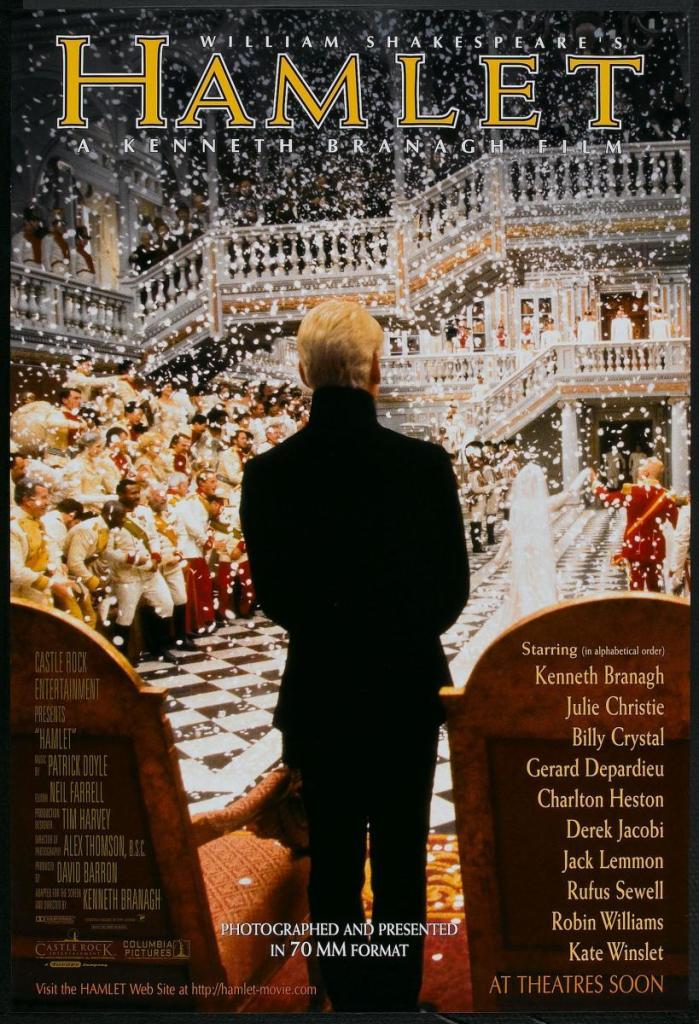
Poster for the film Hamlet shows the lead character with his back to the camera as he looks upon a large room where a wedding takes place and confetti falls upon the gathered guests.

Hamlet

When someone tells me they don’t like Shakespeare, or they can’t make heads or tails of his plays, I tell them to watch this 1996 film from Kenneth Branaugh. It’s my absolute favorite Shakespeare adaptation. What I especially love about this movie is that Branaugh deliberately avoided all the dark, brooding drama that filmmakers typically associate with Shakespeare’s tragedies. Instead, this version of Hamlet is a bright, visually beautiful film with a cast that makes it tons of fun to watch.


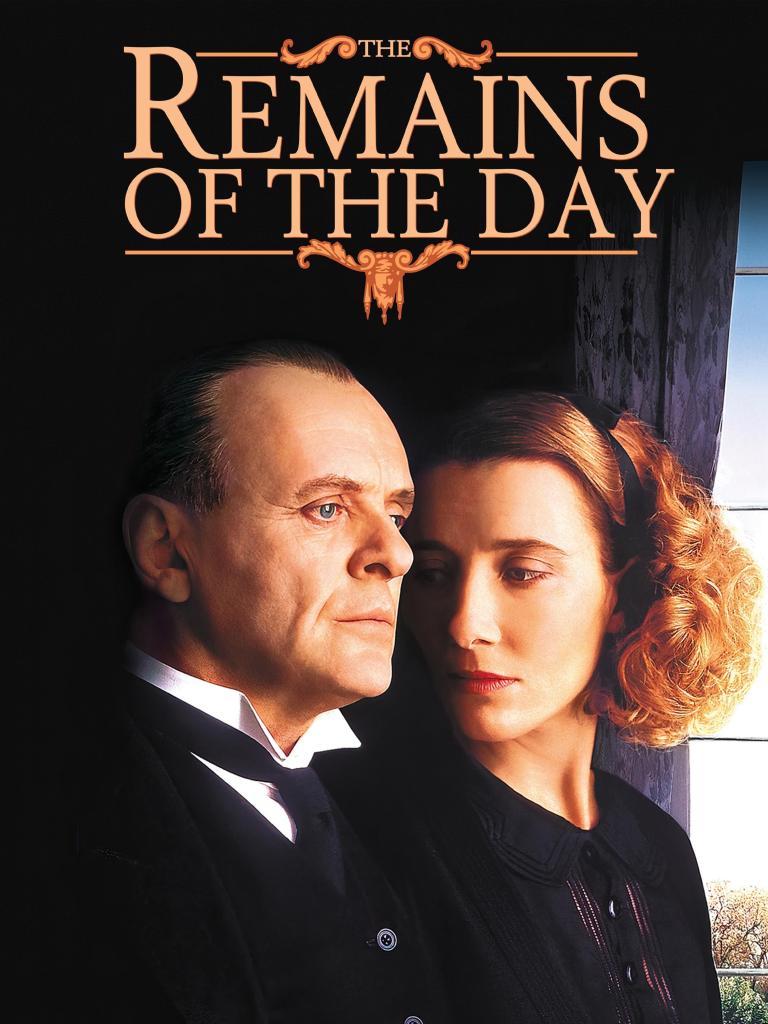
The Remains of the Day

I once read a review that said this film is “a masterpiece in understated emotion and impeccable British restraint,” and I agree. In this film, Emma Thompson and Anthony Hopkins work together in one of Britain’s stately homes in the years leading up to World War II. But this is more than an upstairs-downstairs kind of film. This quiet, beautifully filmed movie explores the relationship between the very-British-stiff-upper-lip butler (Hopkins) who is unable to express his love for the high-spirited housekeeper (Thompson). I’ll admit the first time I watched this movie I was an emotional wreck at the end. I’m older and wiser now, so I think I can handle it; but I’ll still keep a box of tissues nearby, just in case.

Movie poster showing Anthony Hopkins and Emma Thompson standing close together in costume for their roles in the film.

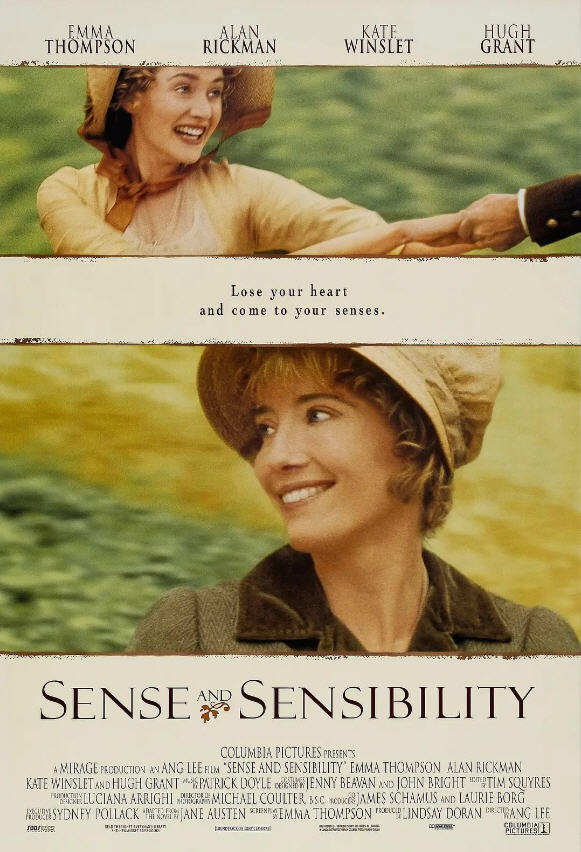
Movie poster for Sense and Sensibility with the subtitle: "Lose your heart and come to your senses."

Sense and Sensibility

This is another Emma Thompson film. Based on the Jane Austen novel, it’s the story of the Dashwood sisters who experience life, love, and a bit of heartbreak as they try to navigate a new life after the death of their father. I love everything about this 1995 adaptation, from the sumptuous locations to the elegant costumes, and the spot-on script. It’s a Jane Austen feast for the eyes, ears, and heart.


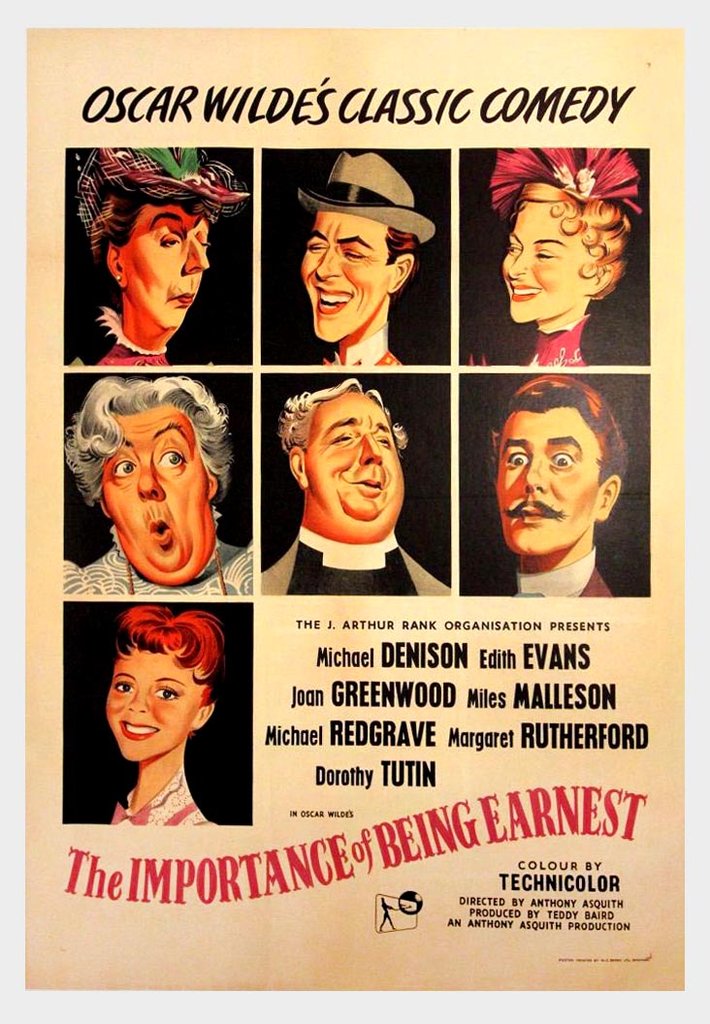
The Importance of Being Earnest

This 1952 movie adaptation of Oscar Wilde’s play is my favorite, with Sir Michael Redgrave, Margaret Rutherford, and Dame Edith Evans as Lady Bracknell (“To lose one parent, Mr. Worthing, may be regarded as a misfortune; to lose both looks like carelessness.”).

Movie poster for "The Importance of Being Earnest" shows caricatures of the seven characters in the film, each with a different facial expression.

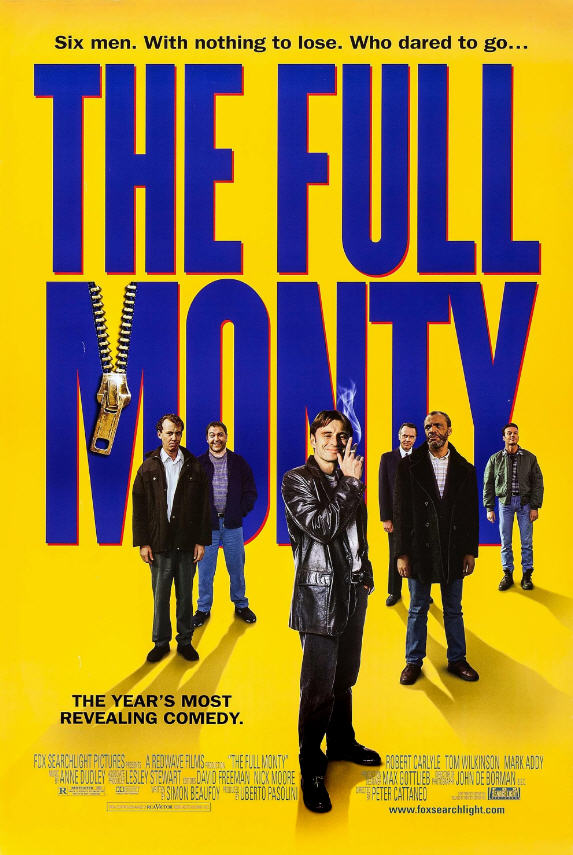
Movie Poster for "The Full Monty" with the subtitle "Six men. With nothing to lose. Who dated to go..."  and "The year's most revealing comedy." The title is printed in large letters that take up two thirds of the page. The "M" in the word "Monty" is designed to look like a zipper.

The Full Monty

A group of unemployed steelworkers band together to try to earn money by putting on a show—a strip show, that is. Although the premise of this movie is a little bit absurd, I can’t help but love it for the many sweet, charming moments it offers. Thanks to this movie, I’ll never think of standing in line at the DMV or unemployment office the same way again. It’s a movie filled with humor, warmth and lovely lessons about friendship, perseverance, and self-acceptance.

So those are the movies I think I’ll watch over the next four days; but, of course, plans can change. If I’m in the right mood, I might decide to skip the entire list and instead watch the 1995 BBC version of Pride and Prejudice (because anytime is a good time for five-plus hours of P&P, right?).

Do you have a favorite feel-good British movie? Tell me, so I can add it to my list!

Jane Austen’s Social Media

I originally published this post on a Jane Austen related site in 2018. I hope you enjoy it! Sometimes I think the best part of writing Regency-era fiction is the research I get to do. There’s nothing I like better … Continue reading

How Many is Too Many?

Happy Saturday to you!

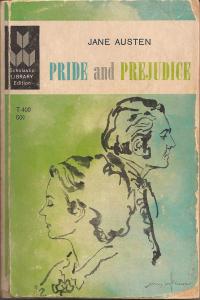
Do you have multiple copies of Pride and Prejudice on your bookshelf? Me, too!

My tattered, well-worn copy of P&P.

I’m on the Austen Authors blog today explaining why each copy is special and I really can’t get rid of any of them. Really, I can’t.

Click on the image below to join me at Austen Authors.


Should Darcy Stay . . . or Should He Go?

Good morning, and a happy Saturday to you!

Before you get too far into your day, I hope you’ll join me on the Austen Authors blog. I have a post there today about Jane Austen’s Pride and Prejudice, and what she might have envisioned for her characters after she wrote “The End” on the last page of her manuscript.

Click on the Austen Authors icon to read my post!